
Hey everyone,
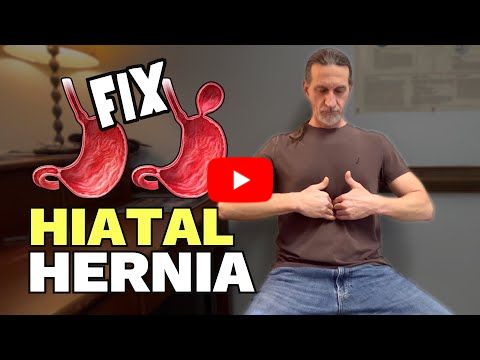
If you've ever dealt with the burning discomfort of heartburn, acid reflux, bloating, or that nagging feeling like your stomach is out of place, you're not alone. For years, I battled GERD (gastroesophageal reflux disease) and a hiatal hernia—conditions that left me reliant on antacids and frustrated with conventional fixes. But I turned things around using a holistic approach rooted in kinesiology, addressing the structural, chemical, emotional, and electrical layers of health. In my latest YouTube video, "I Cured My GERD and Hiatal Hernia | Here's Exactly How," I break it all down step by step. Today, I'll share the highlights here to give you actionable insights you can start applying right away.
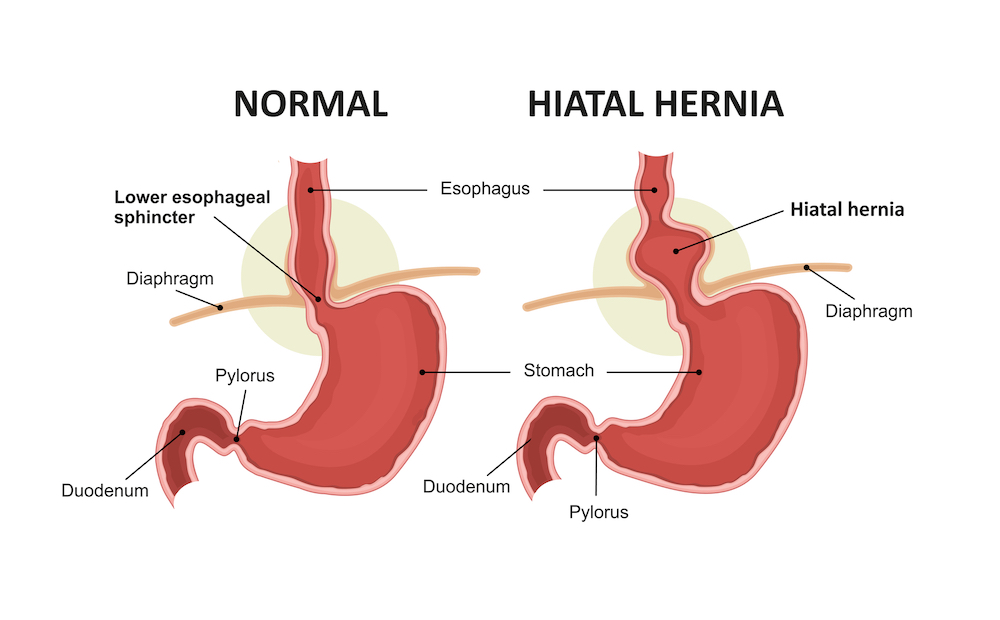
Let's start with the basics: understanding the problem. A hiatal hernia occurs when part of your stomach pushes up through the diaphragm into the chest cavity, weakening the lower esophageal sphincter (LES)—that valve meant to keep acid in your stomach. This leads to GERD symptoms like heartburn and regurgitation. The diaphragm, a dome-shaped muscle separating your lungs from your abdomen, plays a starring role here. When there's weakness in the diaphragm muscle, everything goes haywire. Tight hip flexors, especially the psoas muscle (which connects your spine to your legs and links to the diaphragm), can pull on the esophagus, exacerbating the issue. In meridian terms, the psoas ties into the kidney channel, where anxiety and fear often manifest as tension.
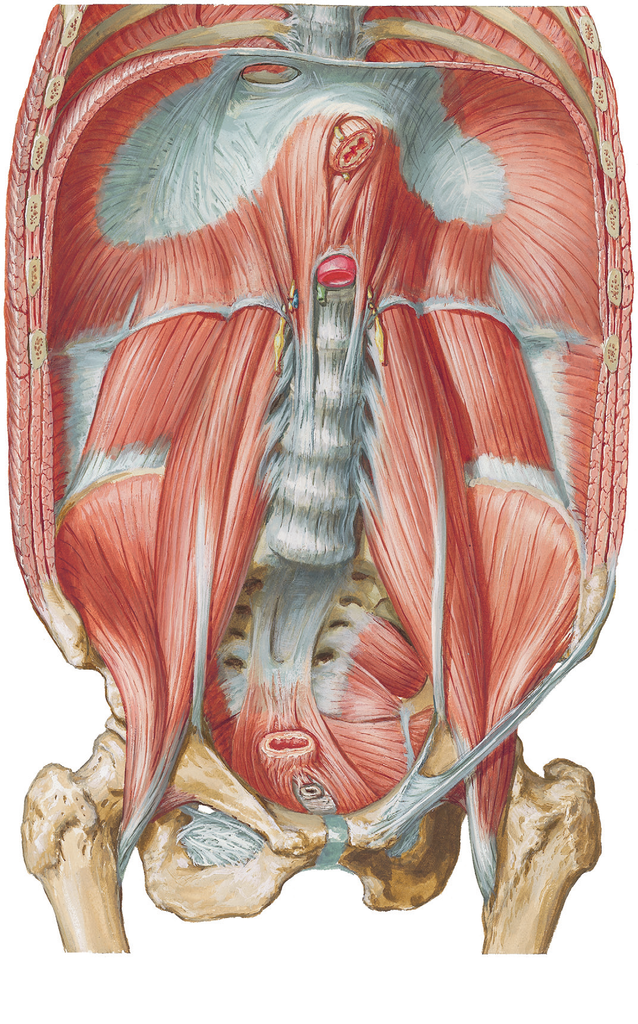
To fix this structurally, I focused on targeted exercises. One game-changer is the "stomach pull-down": Lie down, press your fingers just under your left rib cage, and gently pull downward 5-10 times. This helps reposition the stomach. I also rubbed the diaphragm reflex points along the sternum and ribs to strengthen the diaphragm muscle. For the psoas, simple stretches like a lunge position or lying with one leg dangling off a table loosened things up, while glute activations strengthened the opposing muscles. Don't forget the obliques—crunches or twists reduce rib flare and support better diaphragm function. These moves aren't just for the stomach; they restore better muscle cooperation, deep breathing, posture and balance. They've also helped my back pain!
On the chemical side, low stomach acid is often the culprit, not excess. After age 40, production drops, keeping the LES open and inviting issues like H. pylori infections, which further suppress acid and cause ulcers. Antacids? They make it worse by neutralizing what little acid you have. Instead, I ramped up with hydrochloric acid supplements, raw cabbage (or sauerkraut/juice for its glutamine), and mastic gum to eradicate bacteria. Ditch the microwave too—it kills food enzymes that aid digestion. Simple swaps like these rebuilt my gut health from the inside out.
But healing isn't just about body mechanics—mindset is key. Stress flips us into fight-or-flight, shutting down digestion and tightening the solar plexus (home to emotions like guilt, grief, or dissatisfaction). The stomach meridian, linked to worry, amplifies this. I reframed my stressors with questions like, "What else could this mean?" to build resilience. And for instant calm? A vagus nerve reset: Lie back with hands clasped under your head, look to one side until a deep sigh escapes. This resets your parasympathetic system, easing anxiety's grip on your muscles and meridians.
In just weeks, these layers—muscles for structure, meridians for energy, mindset for emotions—transformed my health. No more GERD flares or hernia discomfort. If this resonates, check out the full video for demos and dive deeper into my Intro to Behavior Kinesiology course. Subscribe to the newsletter for more tips, and let's connect—book a coaching session if you need personalized guidance. Remember, your body is interconnected; heal one part, and the rest follows.
Stay balanced,
Barry
ps: See the video for the full exercise and details.
|


Responses